Focusing on the actual production stages—from raw materials to finished products—and directly addressing quality inspection.
Incoming inspection of raw materials
Raw materials must undergo rigorous quality inspection before entering production to ensure they meet production standards, thereby controlling product quality at the source.
Spot checks during the production process
Implement spot-check measures at critical stages of the production process—such as cold heading, thread processing, and heat treatment—to ensure the quality of semi-finished products meets standards.
Surface Treatment Quality Control
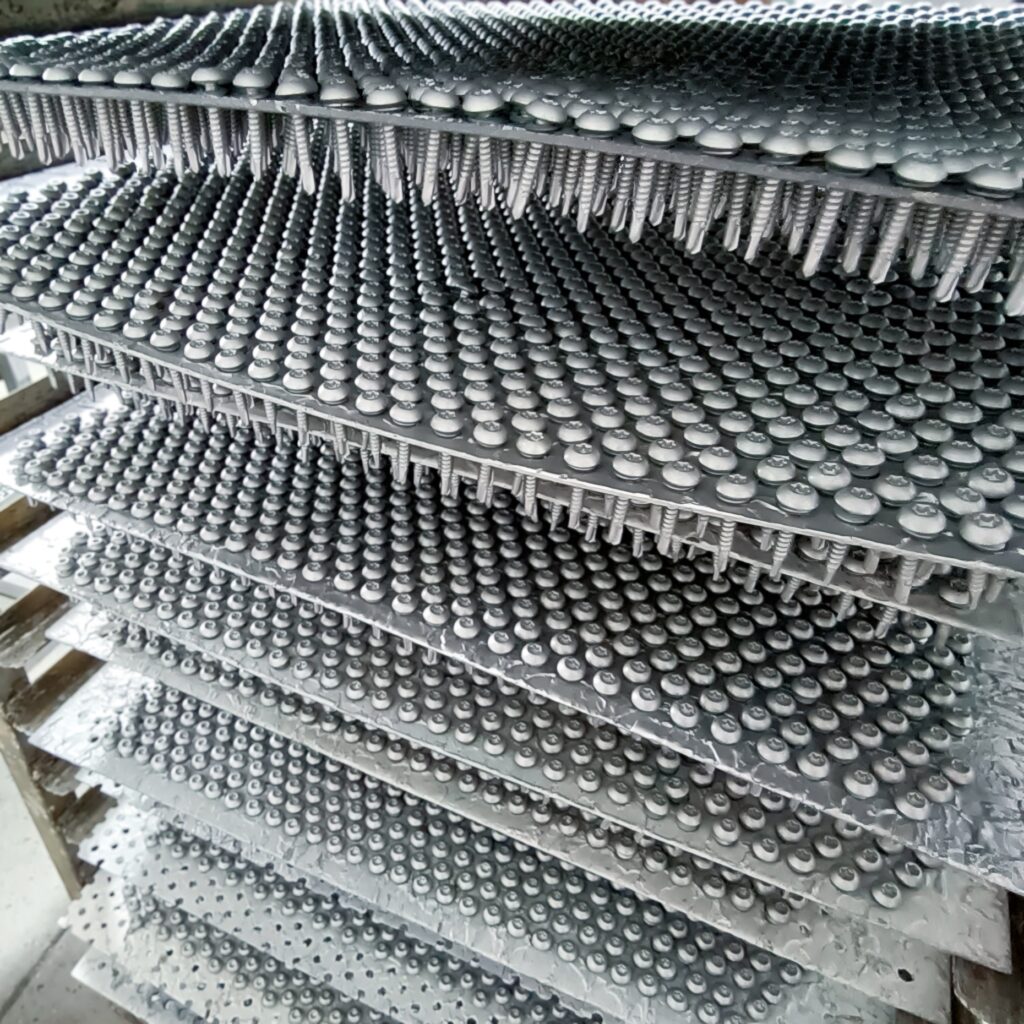
Implement quality control for surface treatment processes—such as zinc plating, nickel plating, or coating—applied to screws, and ensure coating uniformity and adhesion through random sampling.
Systematic quality inspection
Utilize an automated quality inspection system to monitor and inspect screw dimensions, thread depth, and surface finish in real time.
Comprehensive inspection of the final product
Comprehensive quality inspections—covering dimensional accuracy, mechanical properties, and corrosion resistance—are conducted before the products leave the factory to ensure they are defect-free.
Strict segregation of non-conforming products
Immediately isolate and identify any non-conforming products detected, analyze the causes, and implement corrective actions to prevent them from entering the market.
Dual assurance through systems and personnel
Conduct regular training on quality awareness and skills for employees to reinforce their responsibility for quality control during the production process.
Quality Traceability and Feedback Mechanism
Establish a comprehensive quality traceability system to record production and testing information for each batch of products and respond promptly to quality issues.
Yingfeng adheres to a quality philosophy of "striving for perfection and excellence," and its products are renowned for their precision, reliability, and high efficiency.
Every stage of our screw production undergoes rigorous inspection; only after passing inspection does the product move to the next step, ensuring strict quality control throughout the entire process.
AUTHORITATIVE CERTIFICATION
Authoritative Certification
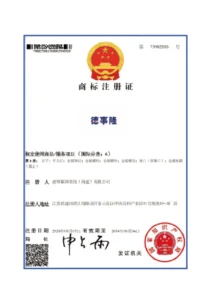
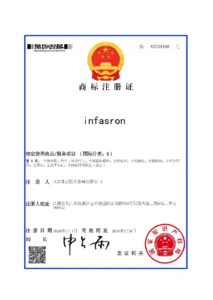
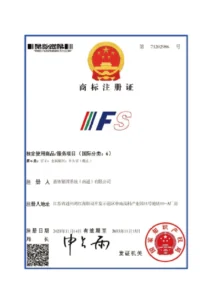
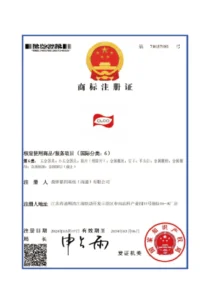
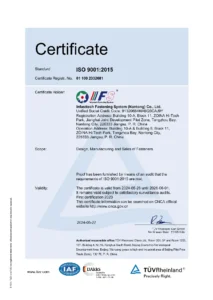
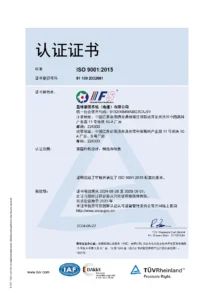
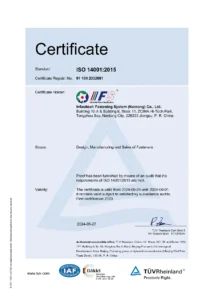
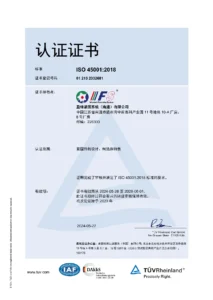
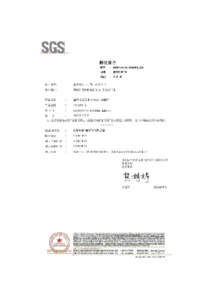
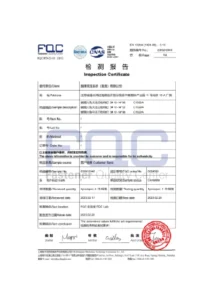
Yingfeng’s production base has earned multiple authoritative international and industry certifications, and its products meet the highest standards:
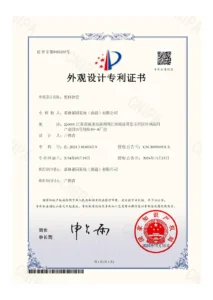
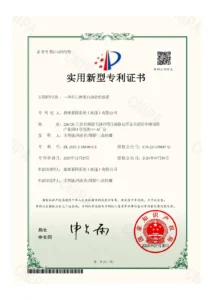
The certification covers the entire process—from raw materials to finished products—as well as patent licensing for relevant manufacturing technologies, ensuring robust product safety and durability while driving continuous optimization of product design and production processes.
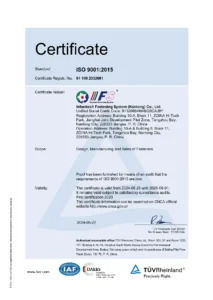
Quality Management System Certification
General Standard Technical Services Certification
Product Quality Certification
Environmental Management System Certification
China National Standard Certification
Patents and Intellectual Property Rights
Production Technology
Production expertise
Excellence in Intelligent Manufacturing
Overview of the Production Base::
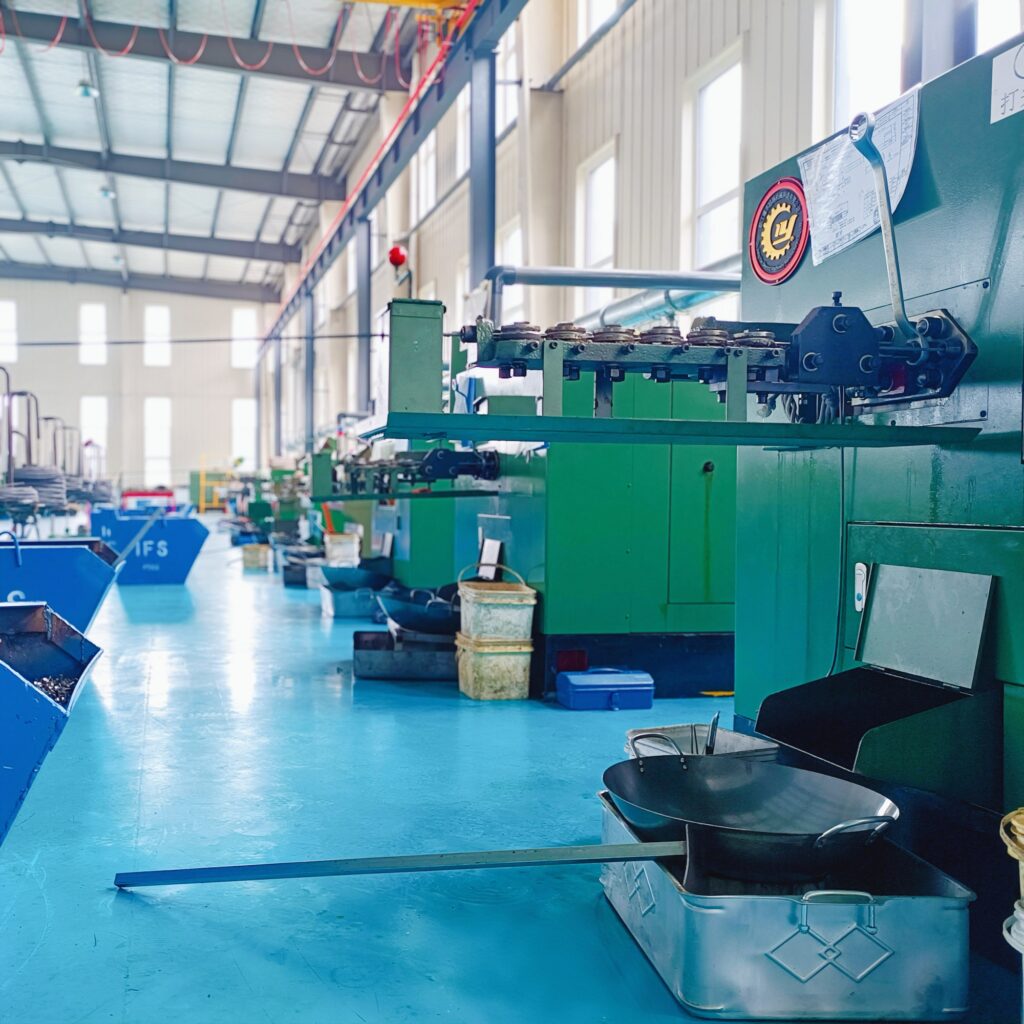
Yingfeng’s Nantong production base covers an area of 15,000 square meters and is a full-process business base integrating product design, R&D, manufacturing, storage and freight. It undertakes the supply of fasteners to the fastener market in mainland China, Hong Kong and Taiwan, and serves more than 500 cooperative customers worldwide.
Production capacity:
Annual production capacity can reach 6,000 tons
Advanced equipment:
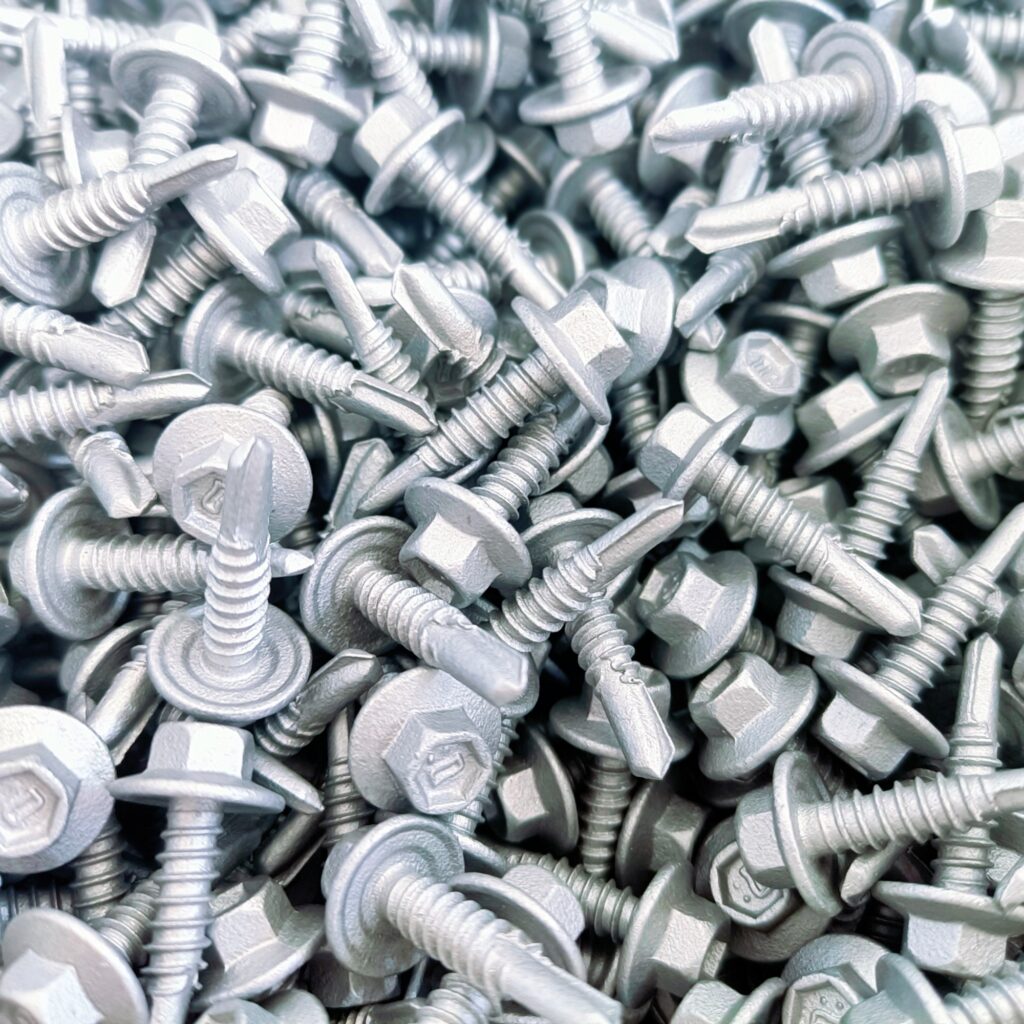
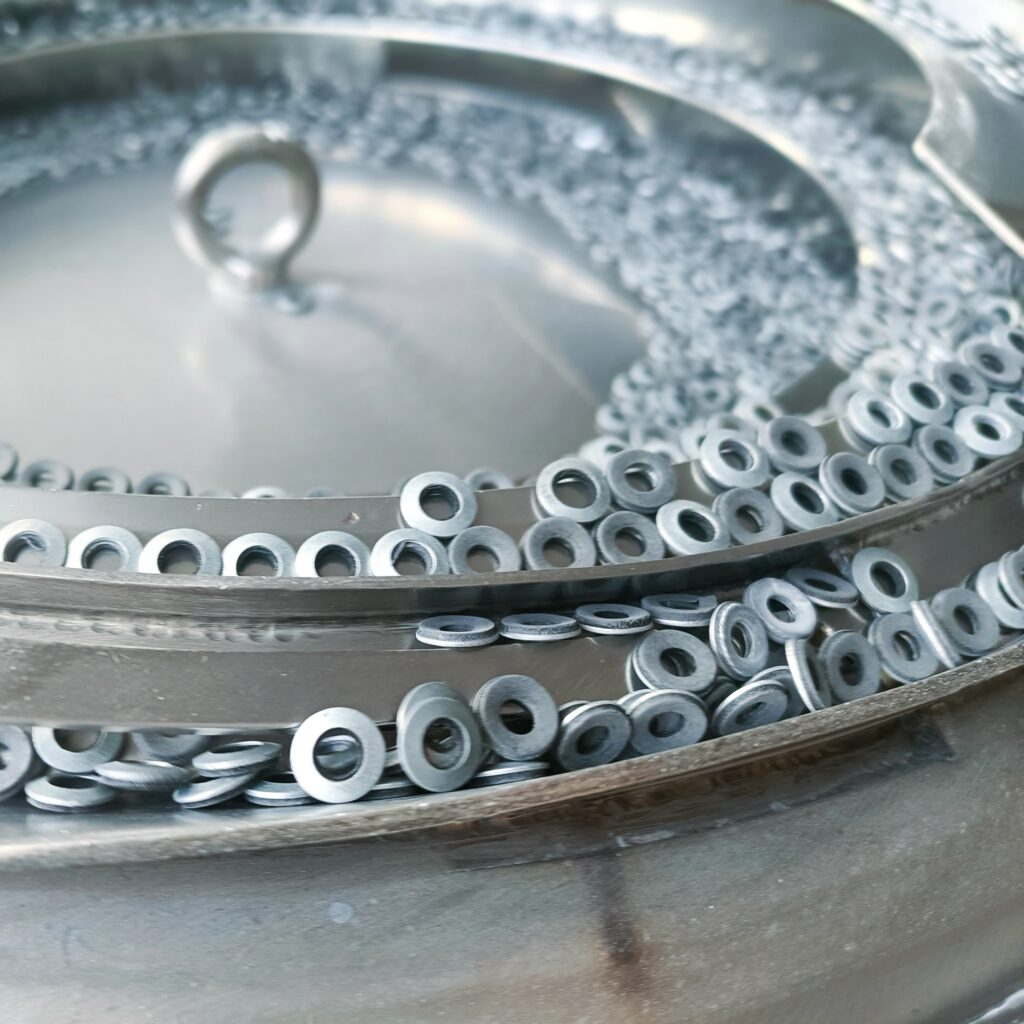
Equipped with 30 high-precision cold heading machines from Chinese and Taiwanese brands, 15 tapping machines, 5 tail chucks, and 5 lathes/secondary processing equipment, we can stably produce screws in sizes M4-M12 to meet the bulk supply needs of various ultra-large projects.
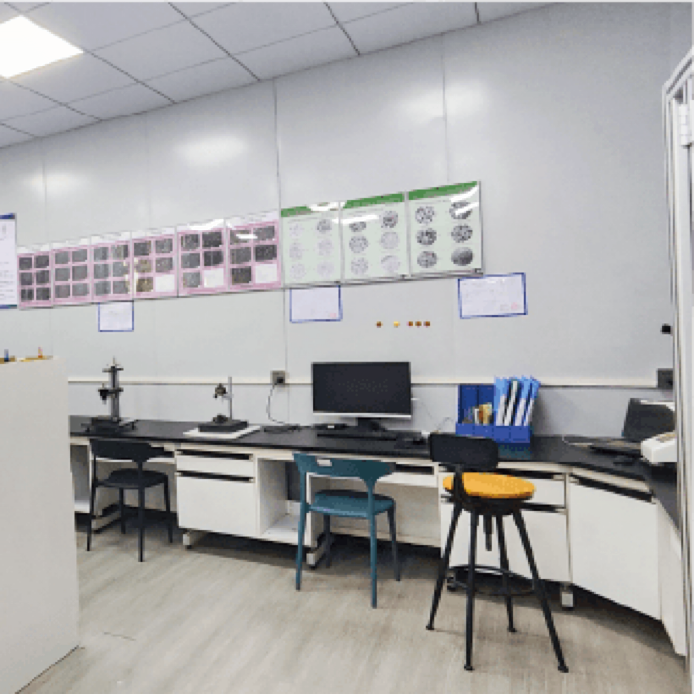
Quality Inspection Laboratory:
Equipped with professional equipment such as salt spray testing, acid rain testing, hardness testing, shear force testing, and tensile force testing, it comprehensively ensures the mechanical properties, strength, and corrosion resistance of the products.
Yingfeng Advanced Production Technology
Optimized raw materials
We select high-quality raw materials to ensure that the screws have excellent physical and chemical properties from the source.
Precision cold heading
Precision cold heading technology is used to ensure the accurate forming of the screw head and threads, improving fastening force and durability.
Heat treatment process
The mechanical properties of screws, such as hardness and tensile strength, are enhanced through heat treatment processes, making them adaptable to various load conditions.
Surface Treatment
Advanced surface treatment technology, including the Sijiada coating, enhances the corrosion resistance and aesthetics of the screws.
Quality Inspection
We implement rigorous quality inspection processes to ensure that every screw meets high standards, guaranteeing reliability and consistency.
Real-world Testing
Real-world environment testing
Real-world testing of screws is a comprehensive, multi-dimensional verification system that covers materials, manufacturing processes, and final performance. It is the cornerstone of ensuring industrial safety and product reliability.
For steel structure fasteners, the core idea of testing is not only to assess their static strength, but also their resilience and reliability under extreme conditions such as dynamic loads, fire, and corrosion. These specialized tests serve as a crucial bridge between the laboratory and the real world, ensuring that skyscrapers can withstand wind and earthquakes, and that cross-sea bridges can resist corrosion and weathering. They are an indispensable verification process for the safety of modern steel structure engineering.
The main focus is on the aging of the screw’s surface coating or the material itself under long-term outdoor conditions.
UV aging test: Simulates ultraviolet rays in sunlight to test the coating’s (such as color zinc, powder coating) resistance to chalking, discoloration and peeling.
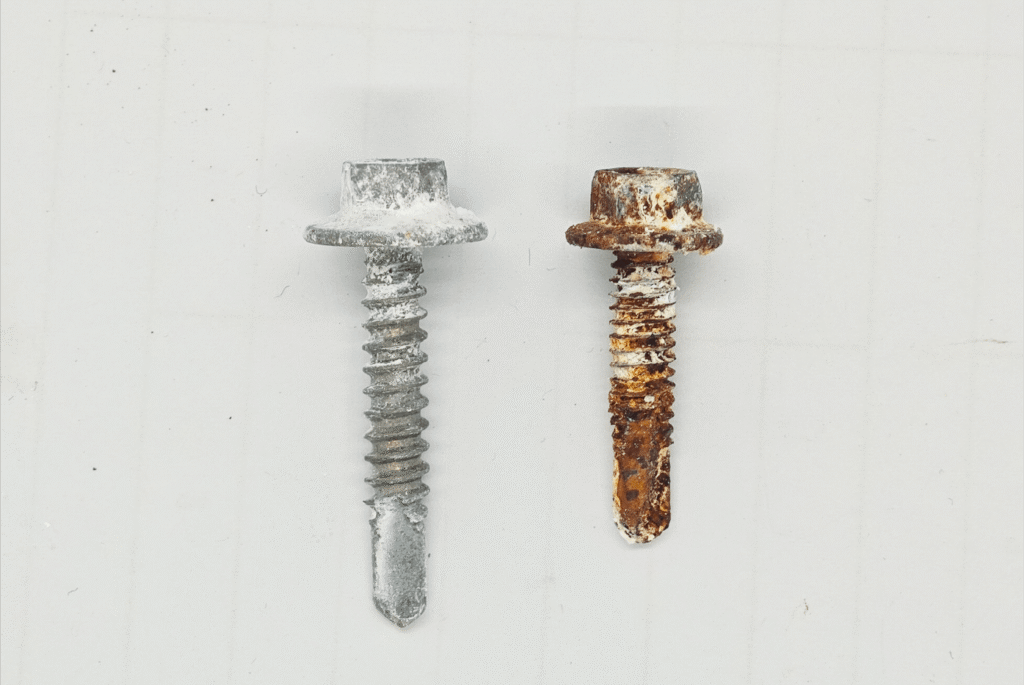
Humidity test: Simulates a high temperature and high humidity environment to test whether screws are prone to rusting, and to check for problems such as coating blistering and decreased adhesion.
High and low temperature cycling test: The screw is repeatedly cycled between extreme high and low temperatures to test whether the internal stress caused by thermal expansion and contraction will lead to coating cracking, thread damage or performance degradation.
Simulate various natural environments or specific working media to test the corrosion resistance of screws.
Neutral salt spray test: The most commonly used accelerated corrosion test method, which simulates marine or salty and humid atmospheric environments to evaluate the corrosion resistance of electroplated coatings (such as zinc plating, Dacromet) or the material itself (such as stainless steel).
Copper accelerated acetic acid salt spray test: More stringent than neutral salt spray, it is mainly used to quickly evaluate the corrosion performance of decorative coatings.
Cyclic corrosion test: Simulates a more realistic day-night and wet-dry alternating environment, and reflects the actual corrosion situation better than continuous salt spray test.
Acidity test/sulfur dioxide test: Simulates the corrosive environment of industrial acid rain or polluted atmosphere.
Stress corrosion cracking test: For high-strength steel screws, under the combined action of tensile stress and specific corrosive media (such as chlorides and sulfides), the sensitivity of them to brittle fracture is tested.
Basic performance and accuracy testing
Basic Performance and Accuracy Test
Mechanical performance testing
This is the most basic and important test, used to verify the strength, toughness, and reliability of the screw.
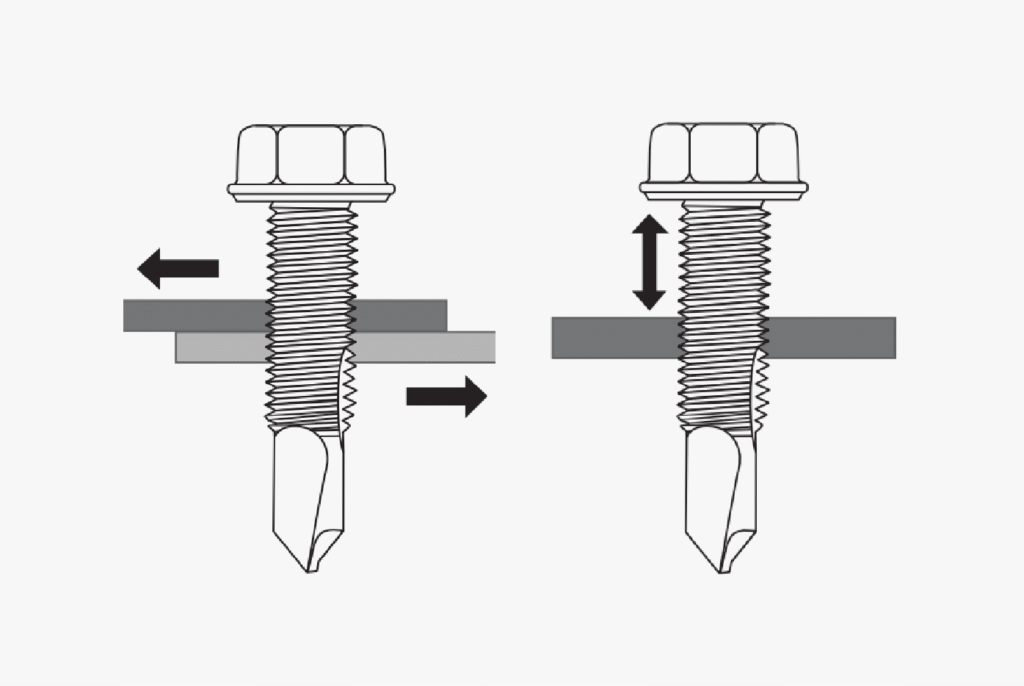
Tensile (tensile strength) test: This test determines the maximum load a screw can withstand under axial tensile force until it breaks. This is a core indicator of its holding power.
Hardness testing: Rockwell (HRC) and Vickers (HV) methods are commonly used to measure the hardness of the screw surface and core to ensure that it has sufficient strength to resist deformation and wear.
Torque-Clamping Force Test: This test measures the clamping force generated when a certain torque is applied, as well as the torque required to achieve the target clamping force. This is crucial for controlling assembly quality and preventing loosening.
Head strength test: Apply vertical force to the screw head to test its load-bearing capacity and anti-disengagement ability.
Fatigue testing: Apply alternating cyclic loads to the screw to simulate its long-term performance under vibration environment, determine its fatigue limit, and predict its service life.
Dimensional and geometric accuracy measurement
Ensure that the screws can be assembled smoothly and correctly.
Main dimensions: Diameter, pitch, length, head size, width across flats, etc.
Geometric tolerances: thread go/no-go gauge inspection, head coaxiality with the screw, thread profile angle, etc.
Surface defects: Inspect for cracks, burrs, folds, chips, etc. Magnetic particle testing or eddy current testing is often used to detect minute cracks on and near the surface.
Material composition, performance, and special scenario testing
Material Composition, Properties and Special Environment Testing
Chemical composition and metallographic analysis
This involves quality control of screws based on their material properties.
Chemical composition analysis: The elemental composition of the screw material is tested using equipment such as a spectrometer to ensure that it meets the standard requirements (such as the content of elements such as carbon, chromium, nickel, and molybdenum).
Metallographic analysis: The screw is cut open and its microstructure (such as grain size, inclusions, depth of carburized layer, depth of decarburized layer, etc.) is observed under a microscope to determine whether the heat treatment process is qualified. An excessively deep decarburized layer will severely weaken the surface strength and fatigue life of the screw.
Special application scenario testing
More targeted testing should be conducted based on the final application area of the screws.
Seismic testing: Used in safety-critical fields such as buildings, bridges, and nuclear power plants to simulate performance under extreme loads such as earthquakes. For steel structure buildings, especially in earthquake-prone areas, it is essential to verify the ductility and energy dissipation capacity of their connection nodes under repeated seismic waves.
Fire resistance test: This test measures the time a screw retains a certain strength and connection capability under high-temperature fire conditions. Fire is a major threat to steel structure buildings. The strength of steel decreases sharply at high temperatures. Fasteners must maintain their connection function for a certain period of time during a fire to buy time for evacuation and rescue.
Stress corrosion cracking (SCC) susceptibility testing: Steel structures, especially bridges, coastal buildings, or buildings near chemical plants, are prone to brittle fracture because their fasteners are subjected to huge tensile stresses and corrosive media over a long period of time.
Fatigue testing is used for steel structures that bear dynamic loads, such as bridges, crane beams, and wind turbine towers. The fasteners of these structures are subjected to millions or even hundreds of millions of alternating stress cycles.